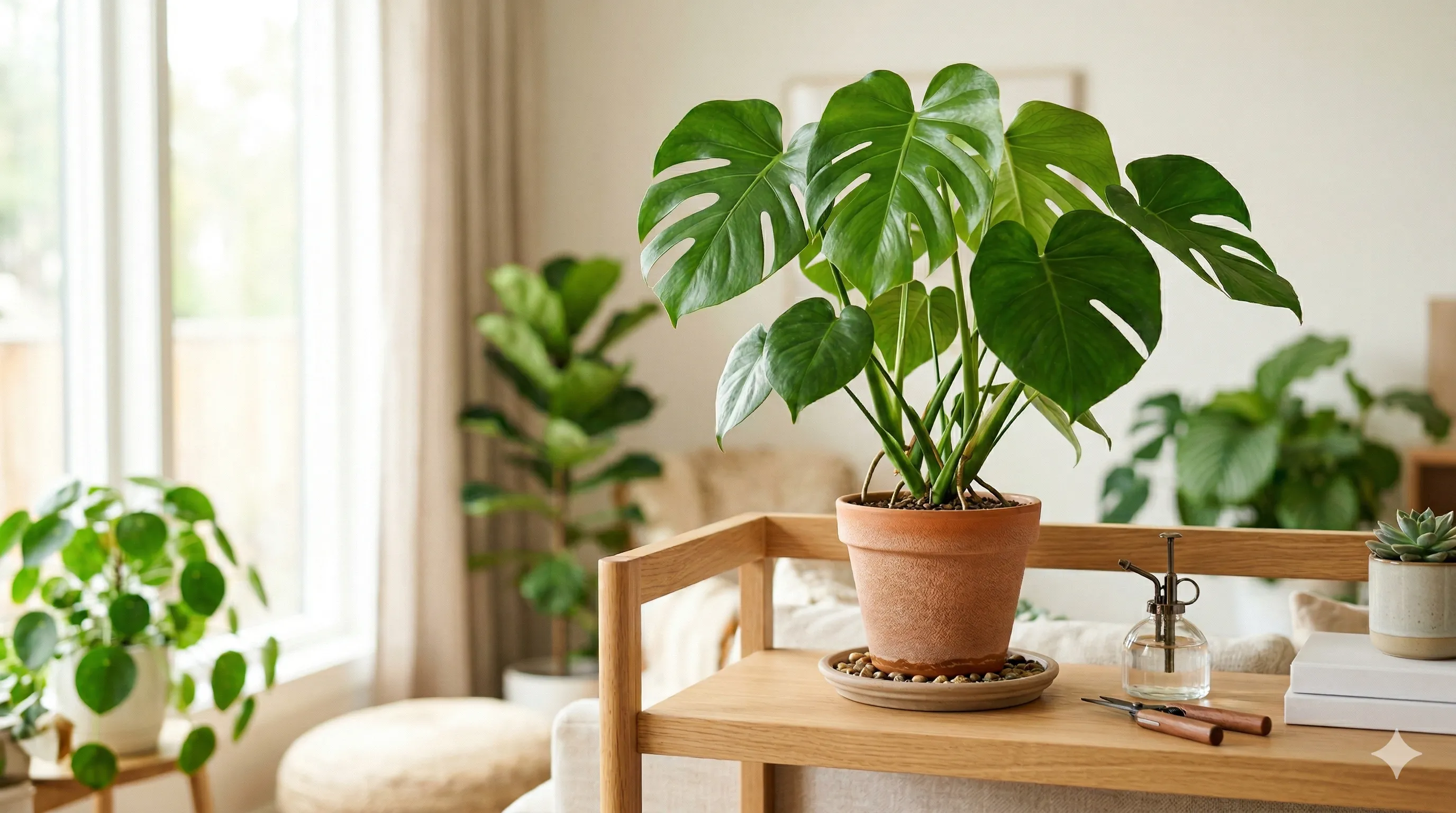
Root rot is the silent killer of houseplants. By the time you notice something's wrong, it's often too late. The good news? It's almost entirely preventable with a few simple changes to how you care for your plants.
What Is Root Rot?
Root rot is a fungal disease that attacks plant roots when they sit in water for too long. Healthy roots are firm and white or tan. Rotting roots turn brown, black, and mushy. Once the roots can't absorb water and nutrients, the plant slowly dies from the bottom up.
Warning Signs to Watch For
Catching root rot early gives your plant a fighting chance. Look for these symptoms:
- Yellowing leaves that don't improve with watering
- Wilting even when the soil is moist
- Musty smell coming from the soil
- Soft, brown stems near the soil line
- Slow or stunted growth
Pro tip: If you suspect root rot, gently remove the plant from its pot and inspect the roots. Healthy roots are firm and light-colored. Rotten roots are dark, mushy, and may fall apart when touched.
The #1 Cause: Poor Drainage
Most root rot cases come down to one problem: water has nowhere to go. This happens when:
- Pots don't have drainage holes
- Drainage holes are blocked
- Plants sit in saucers of standing water
- Soil stays wet for days after watering
Even if you water correctly, poor drainage traps moisture around the roots. The roots essentially drown, creating perfect conditions for fungal growth.
How to Prevent Root Rot
1. Use Pots with Drainage Holes
This is non-negotiable. Every pot needs at least one drainage hole. If you love a decorative pot without drainage, use it as a cachepot—place a plastic nursery pot inside it.
2. Use the Right Soil Mix
Standard potting soil holds too much moisture for many houseplants. Add perlite, pumice, or orchid bark to improve drainage. A good ratio is 2 parts potting soil to 1 part perlite.
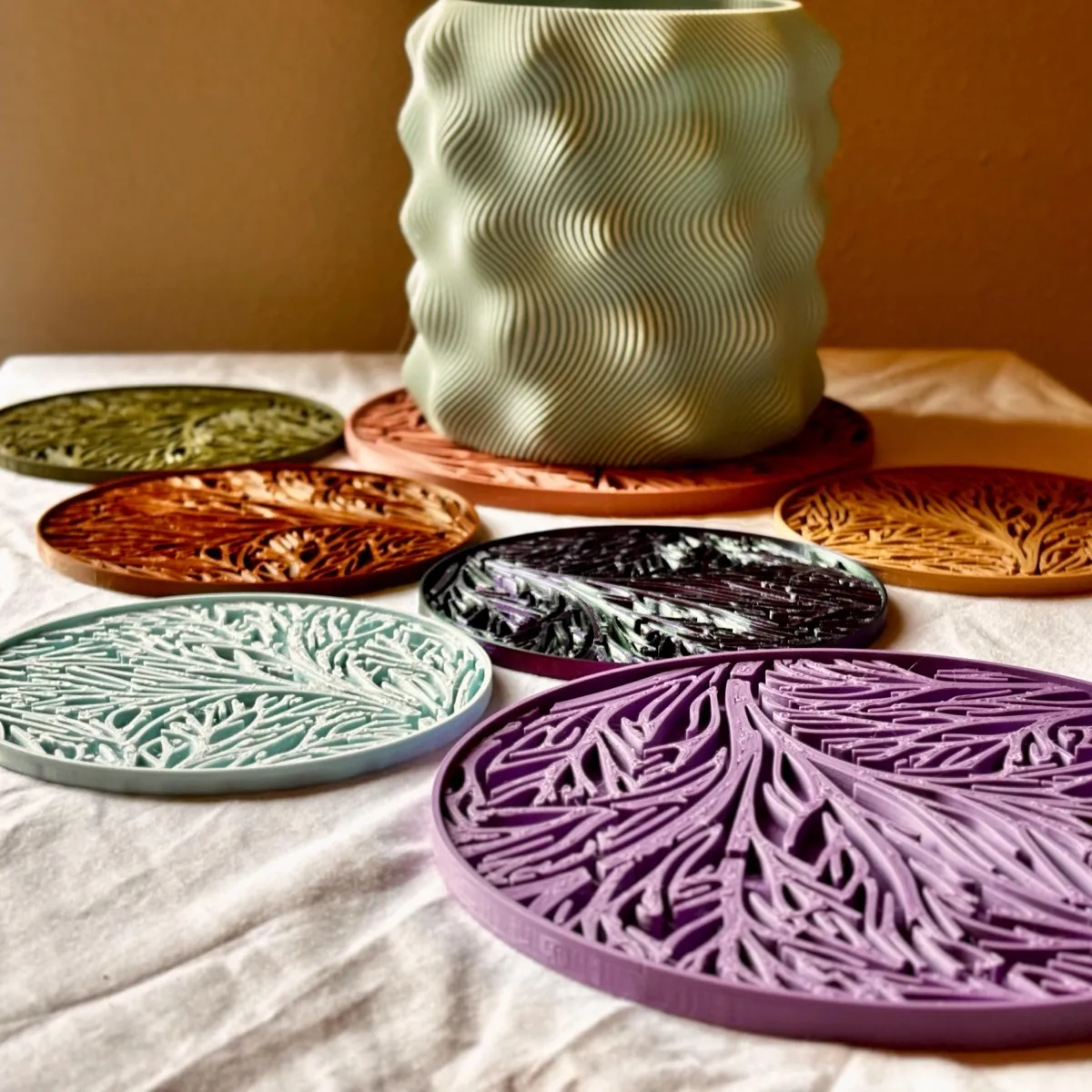
Leaf Vein Plant Tray
Catches excess water and protects surfaces while adding style. Designed for proper drainage with a nature-inspired leaf vein pattern.
From $11.953. Water Only When Needed
Forget watering schedules. Instead, check the soil before watering. Stick your finger 1-2 inches into the soil. If it's dry, water thoroughly. If it's moist, wait a few more days.
4. Empty Saucers After Watering
When you water, excess water should drain out the bottom. Don't let your plant sit in this water. Empty the saucer 15-30 minutes after watering.
5. Use a Drainage Tray
The best solution is a tray that keeps water away from the pot. Raised drainage trays elevate your plant above any excess water, allowing it to drain fully while protecting your furniture.
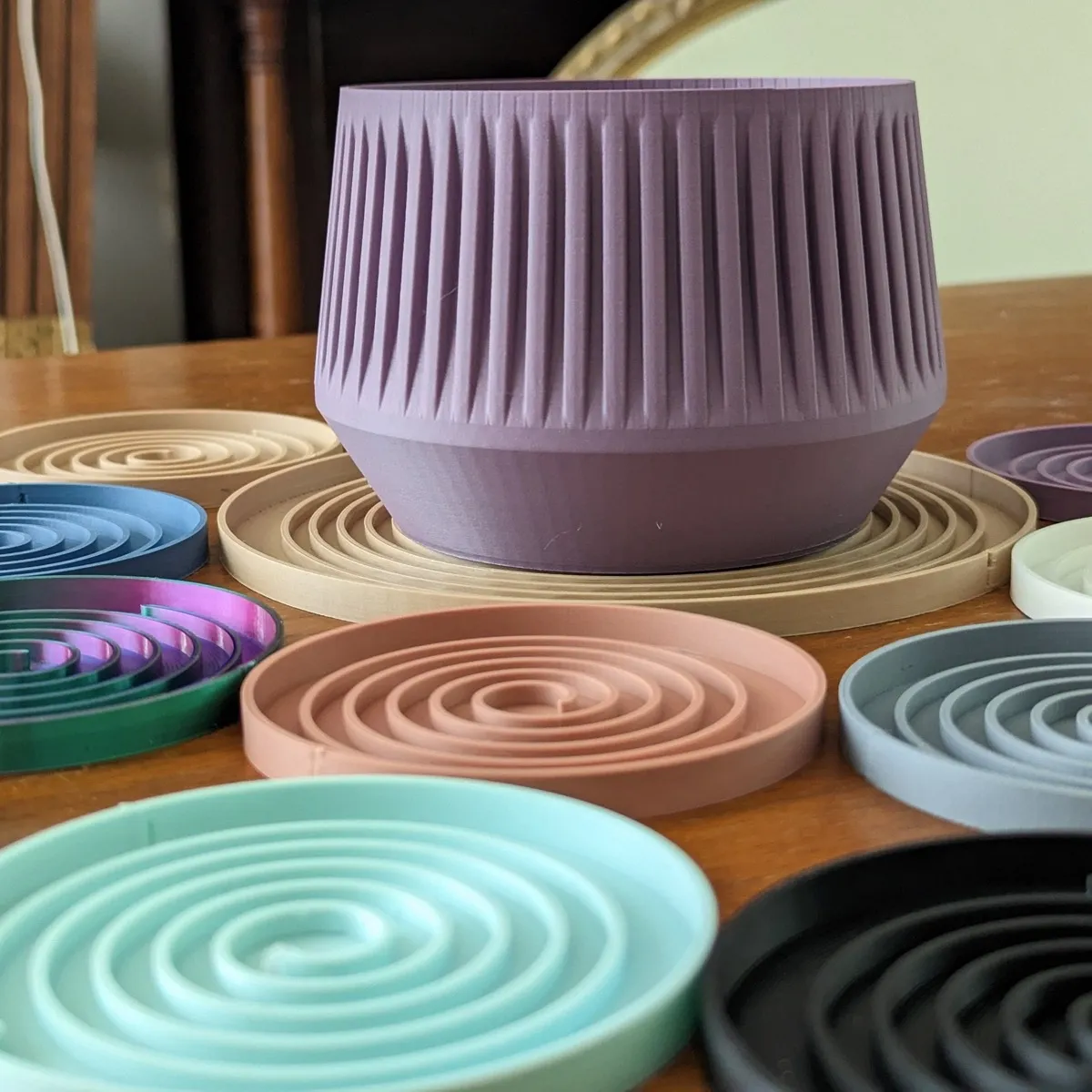
Spiral Plant Tray
A unique spiral design drainage tray that elevates your plant while catching water runoff. Fits most standard pots.
From $11.95Prevent Root Rot with Proper Drainage
Our Leaf Vein Tray channels water away from roots with its organic vein pattern. No more soggy bases, no more root rot.
Shop Leaf Vein Tray →What If Your Plant Already Has Root Rot?
If you've caught root rot early, you might be able to save your plant:
- Remove the plant from its pot and shake off all soil
- Cut away all brown, mushy roots with clean scissors
- Let the roots dry for a few hours
- Repot in fresh, well-draining soil in a clean pot with drainage
- Water sparingly until you see new growth
If more than half the roots are gone, the plant may not survive. But it's always worth trying—plants can be surprisingly resilient.
The Bottom Line
Root rot is almost always preventable. Good drainage, proper watering habits, and the right tools make all the difference. Your plants will thank you with healthy growth and vibrant leaves.