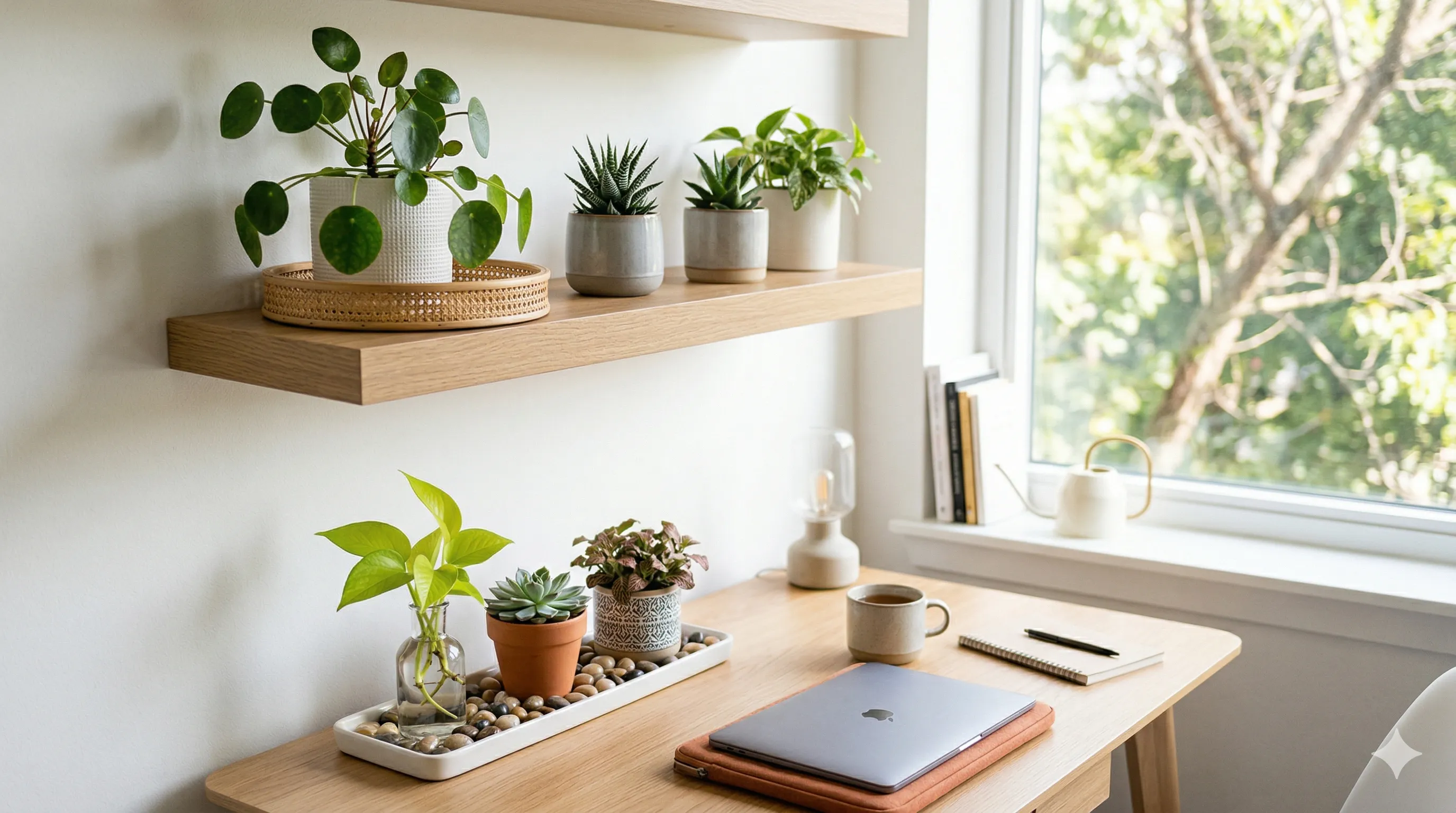
You want plants. You also want to use your desk for, you know, working. And your shelves are already packed with books and things that spark joy. Sound familiar? Small space plant parenthood requires strategy, but it's absolutely doable. Here's how to have a thriving plant collection without sacrificing square footage.
The Small Space Mindset
In a small space, every item needs to earn its place. Plants included. This actually works in your favor—instead of accumulating random plants, you curate intentionally. The result? A more cohesive, designed look.
Three principles guide small space plant decisions:
- Vertical over horizontal – Go up, not out
- Multifunctional accessories – Every item does double duty
- Quality over quantity – Fewer, healthier plants beat a crowded jungle
Best Plants for Shelves and Desks
Some plants work better in tight spaces than others. Look for plants that:
- Stay compact or grow slowly
- Trail down (using vertical space) or grow upright (small footprint)
- Tolerate lower light (shelves often don't get direct sun)
- Are forgiving if watering gets irregular
Top Picks for Shelves
- Pothos – Trails beautifully, tolerates low light, nearly indestructible
- String of Pearls/Hearts – Dramatic trailing, stays thin
- Snake Plant (small varieties) – Upright, tiny footprint, thrives on neglect
- Peperomia – Compact, interesting foliage, slow grower
Top Picks for Desks
- ZZ Plant (small) – Handles low light, watering forgiveness level: expert
- Small Succulents – Minimal footprint, interesting shapes
- Air Plants – No soil needed, can perch anywhere
- Mini Monstera – That split-leaf look in compact form
Shelf Setup Strategies
The Trailing Plant Hack
Place trailing plants on upper shelves. Their vines grow down, filling vertical space without taking any additional surface area. A single pothos on a top shelf can cover an entire bookcase side with greenery.
Cluster Small Pots
Instead of scattering plants across multiple shelves, group 3-5 small plants together on one shelf. This creates visual impact while leaving other shelves free for books, objects, and breathing room.
The rule of thirds: On any shelf, plants should take up roughly one-third of the visual space. More than that looks cluttered. Less looks like an afterthought.
Protect Your Shelves
Water damage is the enemy of nice furniture. Every plant needs a tray or saucer—but standard saucers take up precious space and often overflow. Drainage trays that elevate plants keep water contained while maximizing surface area.
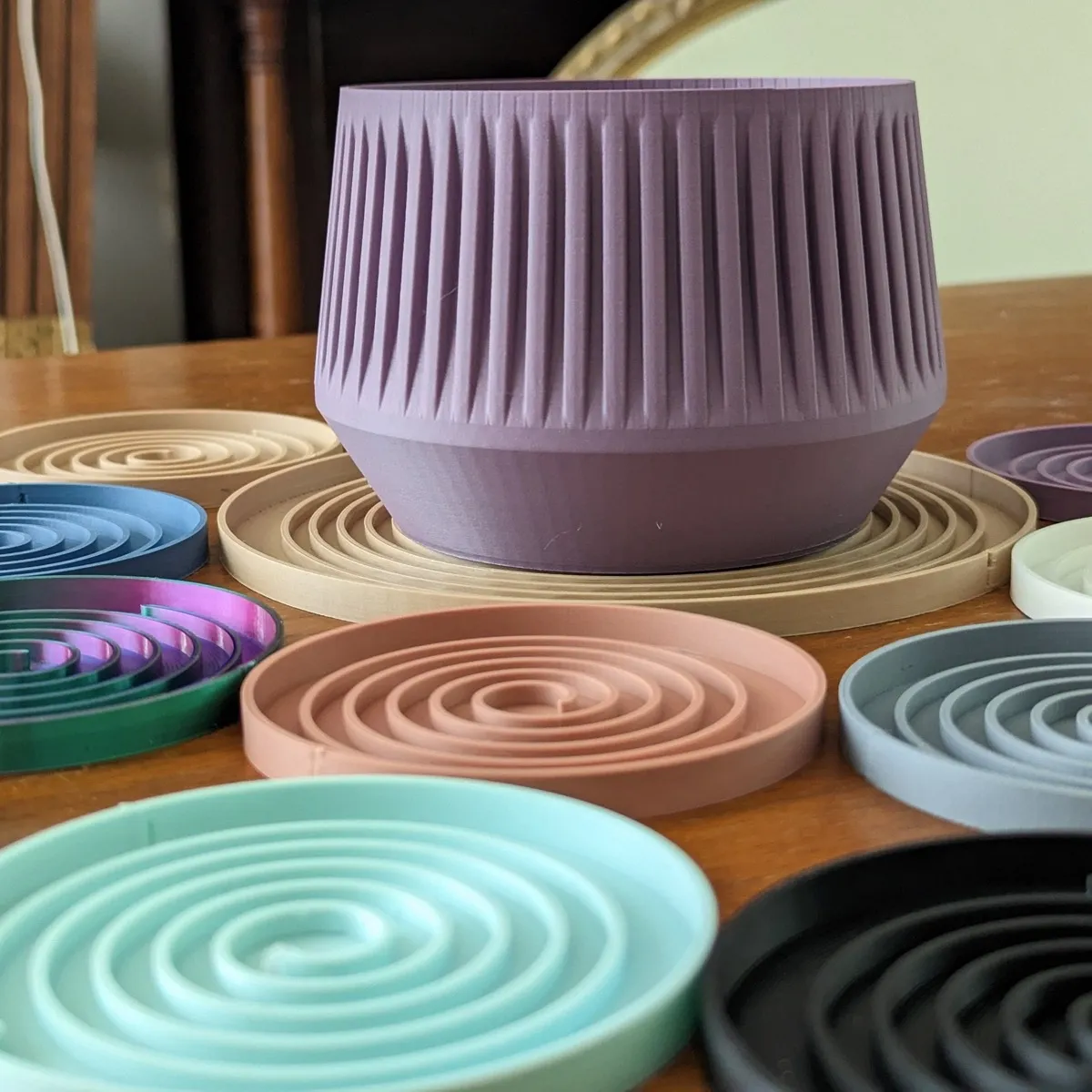
Spiral Plant Tray
Compact drainage tray perfect for shelves. Protects surfaces from water damage while looking great.
From $11.95Compact Drainage Solution
Our Spiral Tray keeps plants elevated for airflow while channeling water away from your shelf. Slim profile, maximum protection.
Shop Spiral Tray →Desk Setup That Actually Works
The Corner Strategy
Don't put plants in your primary work zone. That space is for... work. Instead, claim a back corner. A small plant there adds life without interfering with actual desk activities.
Behind the Monitor
The space behind your monitor is often dead zone—visible but not useful. A trailing plant behind a monitor adds depth and greenery to your video call background.
The Grow Light Question
Desks are often far from windows. If your plants are struggling, a small grow light can help. But traditional overhead lights require mounting or take up precious desk space.
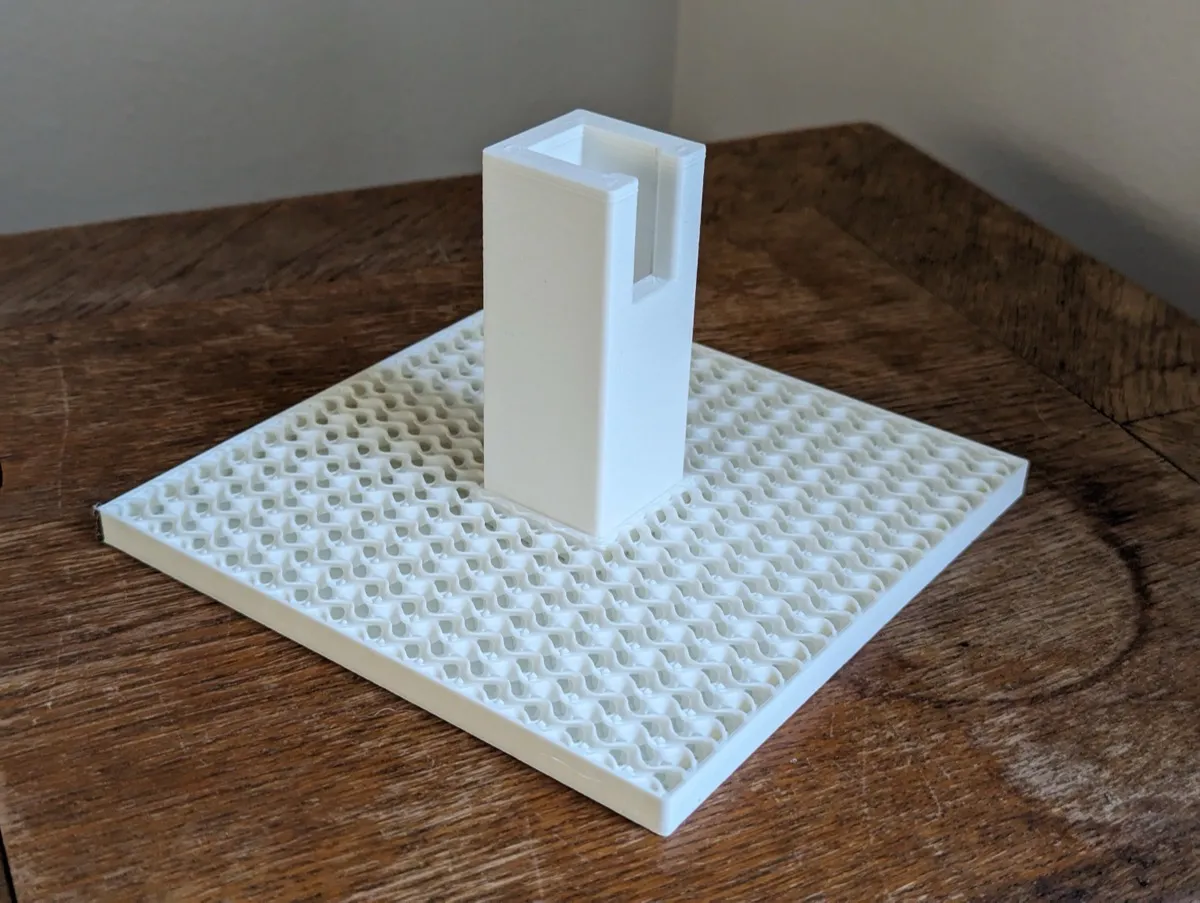
Barrina T5 Grow Light Stand
Compact grow light stand that fits on any shelf or desk. No drilling or mounting needed.
$24.95Grow Light Without the Overhead
Our Light Stand positions LED grow lights vertically between plants, not above them. Perfect for shelves and desks with limited headroom.
Shop Light Stand →Common Small Space Mistakes
Too Many Small Pots
It's tempting to fill every inch with tiny succulents. Resist. A dozen small pots reads as clutter. Three thoughtfully placed plants read as intentional.
Ignoring Proportions
A giant fiddle leaf fig next to your laptop? Not ideal. Match plant size to available space. Small shelf = small plant. Desk corner = compact pot.
Forgetting About Care Access
Can you actually water that plant on the top shelf? Can you see when it needs water? Plants stuffed into inaccessible spots get neglected and die. If you can't reach it easily, don't put a plant there.
The Minimal Plant Setup
If you're truly space-constrained, start with just two plants:
- One trailing plant on a high shelf or hanging planter
- One compact plant on your desk or main surface
That's it. Two plants, strategically placed, can transform a space. You can always add more later—but you can't get back space you've cluttered up.
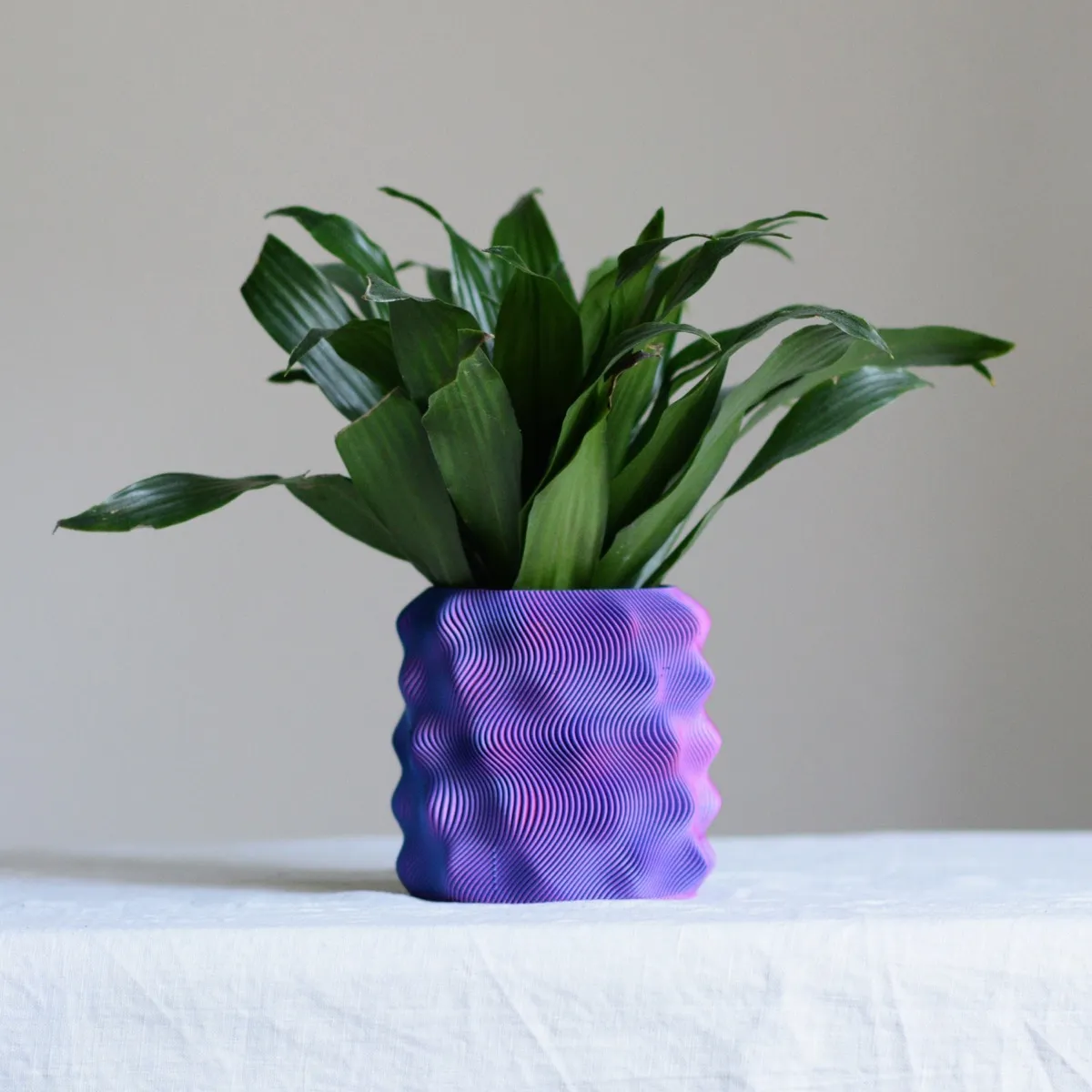
Fire Planter
One statement planter is all you need to make a desk setup pop. The Fire Planter works perfectly as a solo piece.
From $28.95Final Thought
Small spaces force creativity. You can't buy your way to a jungle, so you have to think about what each plant adds. The result is often more beautiful than spaces where plants just... accumulate. Constraints breed good design.
Now go put a plant in that empty corner. Just one. See how it feels.