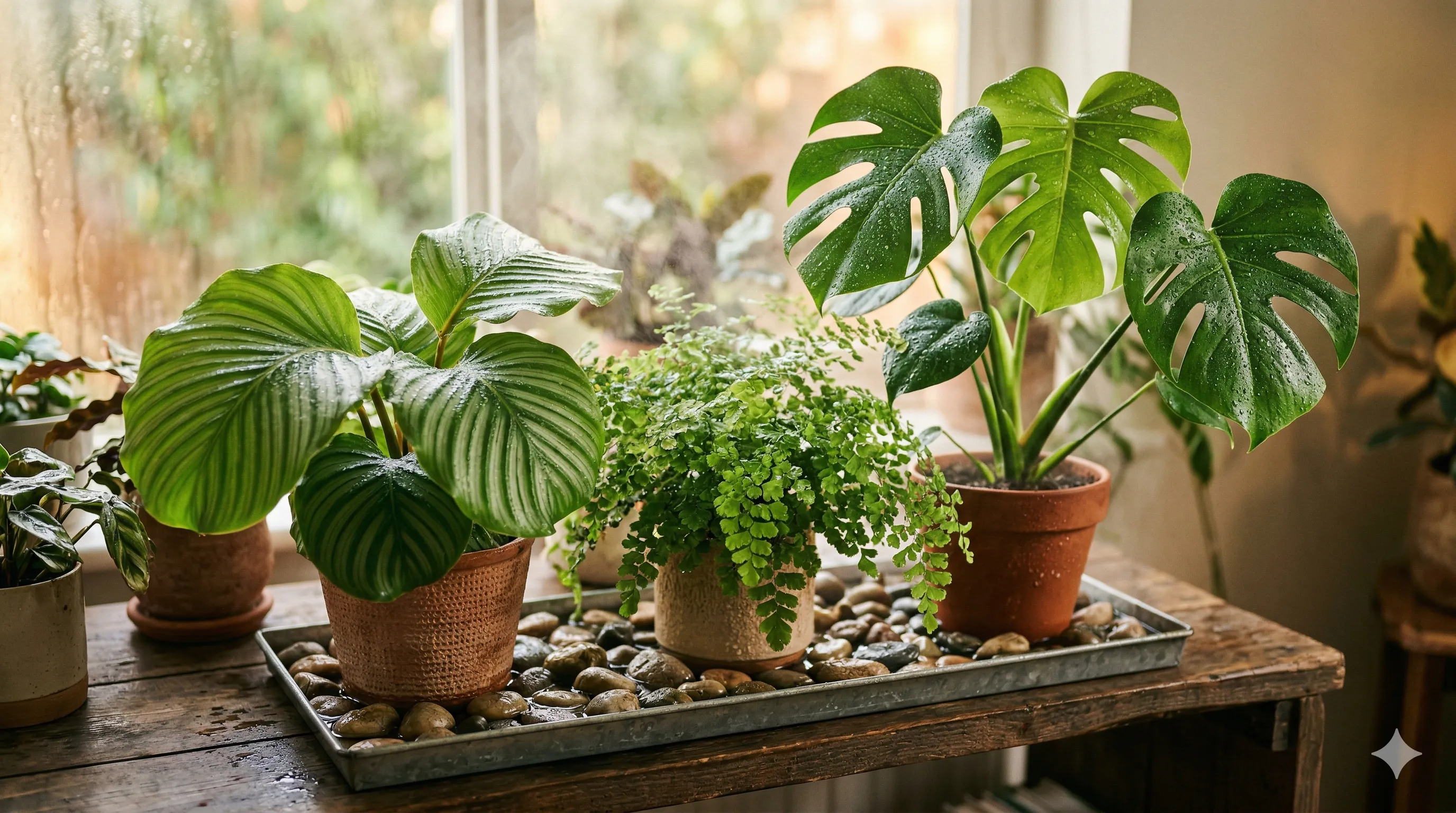
If you've ever watched a calathea's leaves curl up or a fern turn crispy, you know the struggle. Tropical plants evolved in humid rainforests, not our dry homes. Without adequate humidity, they slowly decline—no matter how perfectly you water them.
Why Humidity Matters
Most homes sit between 30-50% humidity, especially in winter with heating running. Tropical plants prefer 50-80%. When the air is too dry, plants lose water through their leaves faster than their roots can replace it. This leads to:
- Brown, crispy leaf edges
- Curling or drooping leaves
- Stunted new growth
- Increased vulnerability to pests like spider mites
Plants That Need High Humidity
These popular houseplants thrive with extra moisture:
- Calatheas and Marantas – The drama queens of the plant world
- Ferns – Boston ferns, maidenhair ferns, bird's nest ferns
- Alocasias – Those gorgeous elephant ear leaves need moisture
- Anthuriums – Both the flowers and foliage types
- Orchids – Especially during blooming
- Air plants – They absorb water through their leaves
Humidity Solutions: What Works (and What Doesn't)
1. Misting – The Myth
Let's get this out of the way: misting doesn't work. The water evaporates within minutes, providing no lasting humidity boost. Worse, water sitting on leaves can encourage fungal problems. Save yourself the daily chore.
2. Grouping Plants Together
Plants naturally release moisture through transpiration. When you group several plants together, they create a small humid microclimate. It's not dramatic, but it helps—and it looks great.
3. Pebble Trays
The classic solution: fill a tray with pebbles, add water just below the top of the pebbles, and set your plant on top. As the water evaporates, it humidifies the air around your plant. The key is keeping the pot above the water line so roots don't sit in moisture.
The pebble tray problem: Standard pebble trays look messy and need constant refilling. The pebbles collect dust and algae. There's a better way.
4. Humidity Trays (The Better Pebble Tray)
Modern humidity trays solve the problems of traditional pebble trays. They're designed with raised patterns that keep your pot elevated while maximizing water surface area for evaporation. No pebbles to clean, just add water.
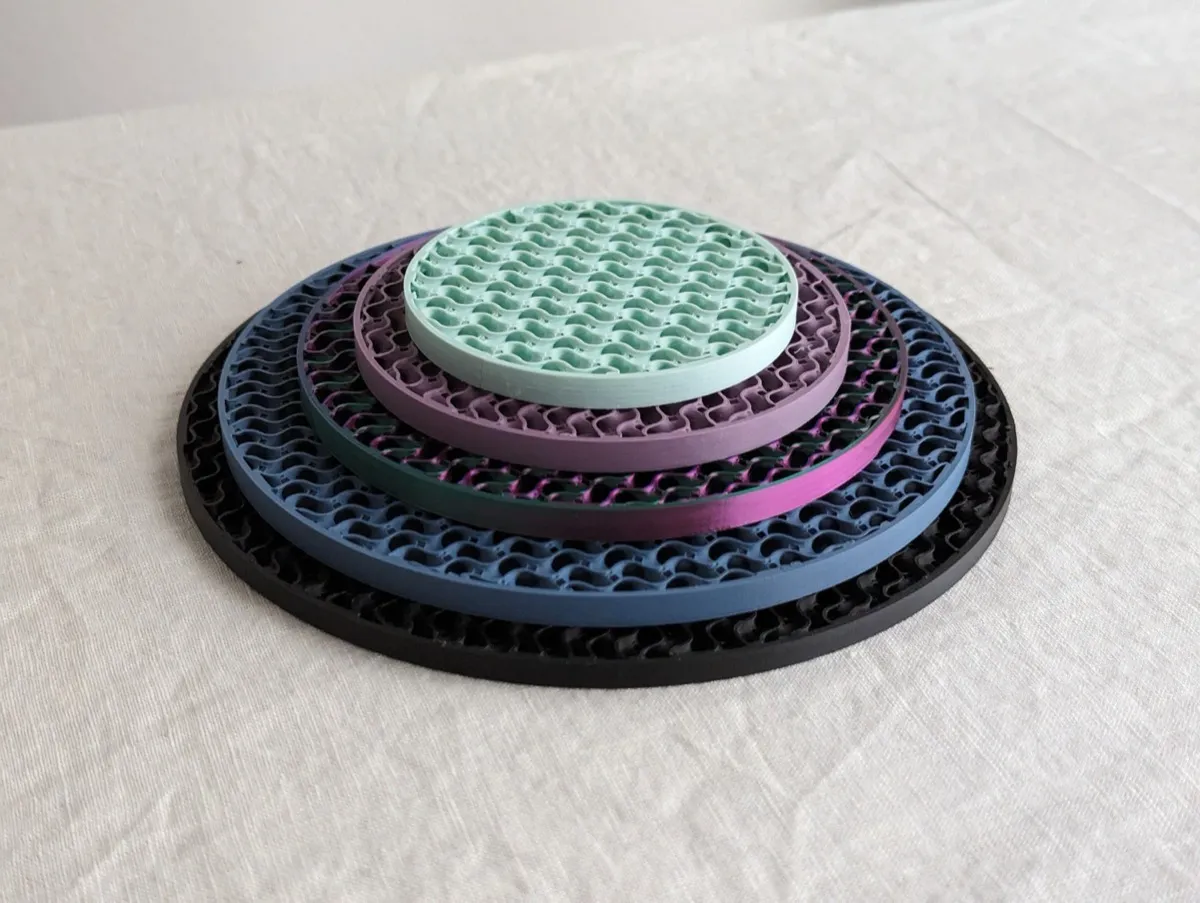
Humidifier Plant Tray
Purpose-built humidity tray for tropical plants. Fill with water and pebbles to create a microclimate of moisture around your plants.
From $11.95The Modern Humidity Solution
Our Humidifier Tray's wave pattern creates maximum surface area for evaporation. Just add water and let it work. Your tropical plants will thank you.
Shop Humidifier Tray →5. Electric Humidifiers
For serious humidity needs, an electric humidifier is the most effective solution. Look for one with a humidistat so it automatically maintains your target level. Downsides: they're bulky, need regular cleaning, and add to your electric bill.
6. Bathroom and Kitchen Placement
These rooms naturally have higher humidity from showers and cooking. If they have enough light, they're perfect spots for humidity-loving plants. Many ferns thrive in bathroom conditions.
How to Measure Humidity
Stop guessing. A digital hygrometer costs under $15 and tells you exactly what you're working with. Place it near your plants to monitor their microclimate. You might be surprised—that spot by the radiator could be at 20% humidity.
Creating a Humidity Station
The most effective approach combines multiple strategies:
- Group your humidity-loving plants together
- Place them on humidity trays with water
- Position away from heating vents and radiators
- Add a small humidifier during winter months if needed
You don't need to turn your home into a rainforest. Even boosting humidity from 35% to 50% makes a noticeable difference for most tropical plants.
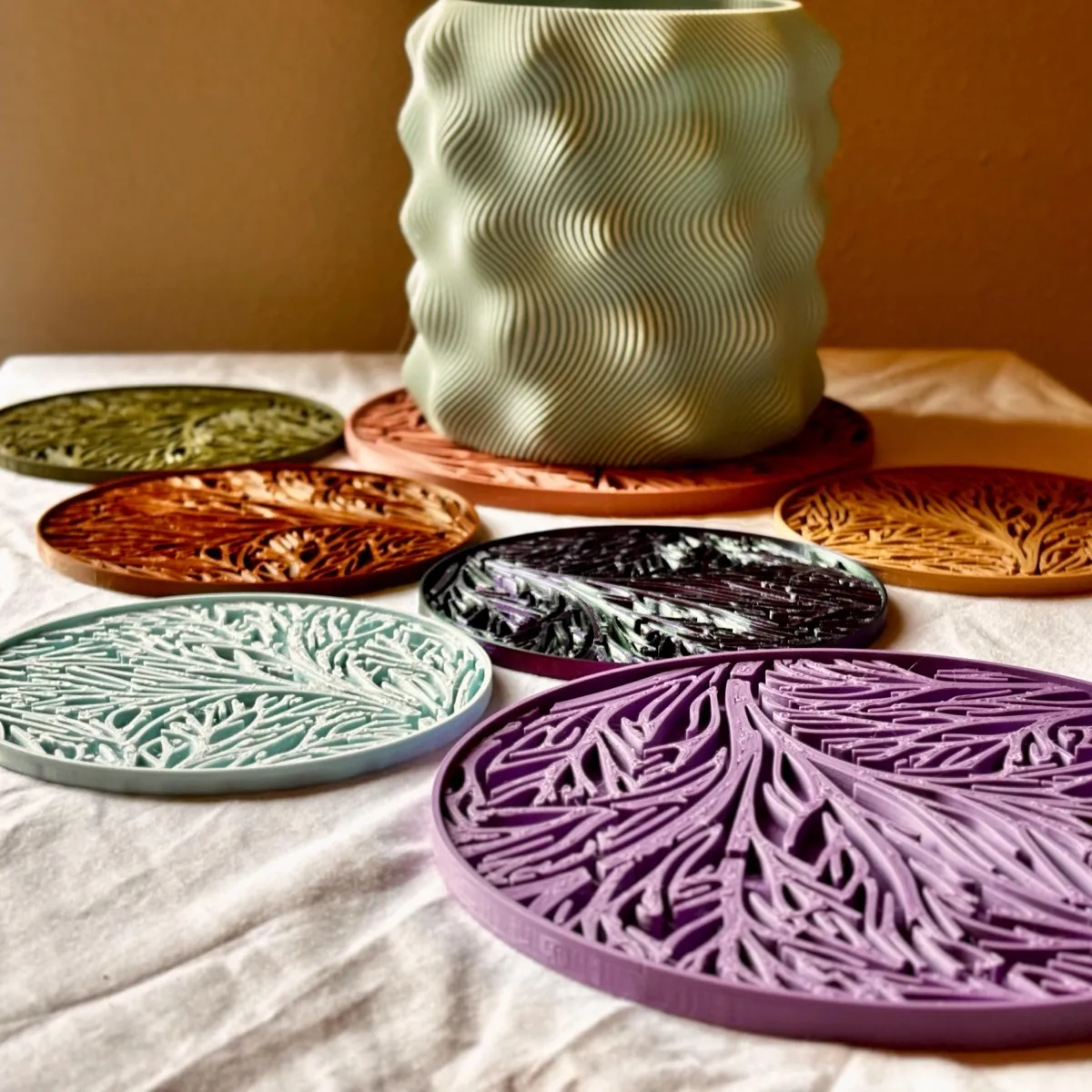
Leaf Vein Plant Tray
Group multiple small plants on a leaf vein tray for a natural humidity-boosting cluster. Beautiful and functional.
From $11.95The Bottom Line
Dry air is one of the biggest challenges for indoor tropical plants. Skip the misting bottle—it doesn't work. Instead, focus on solutions that provide lasting humidity: grouping plants, using humidity trays, and adding a humidifier when needed. Your calatheas will finally stop being so dramatic.