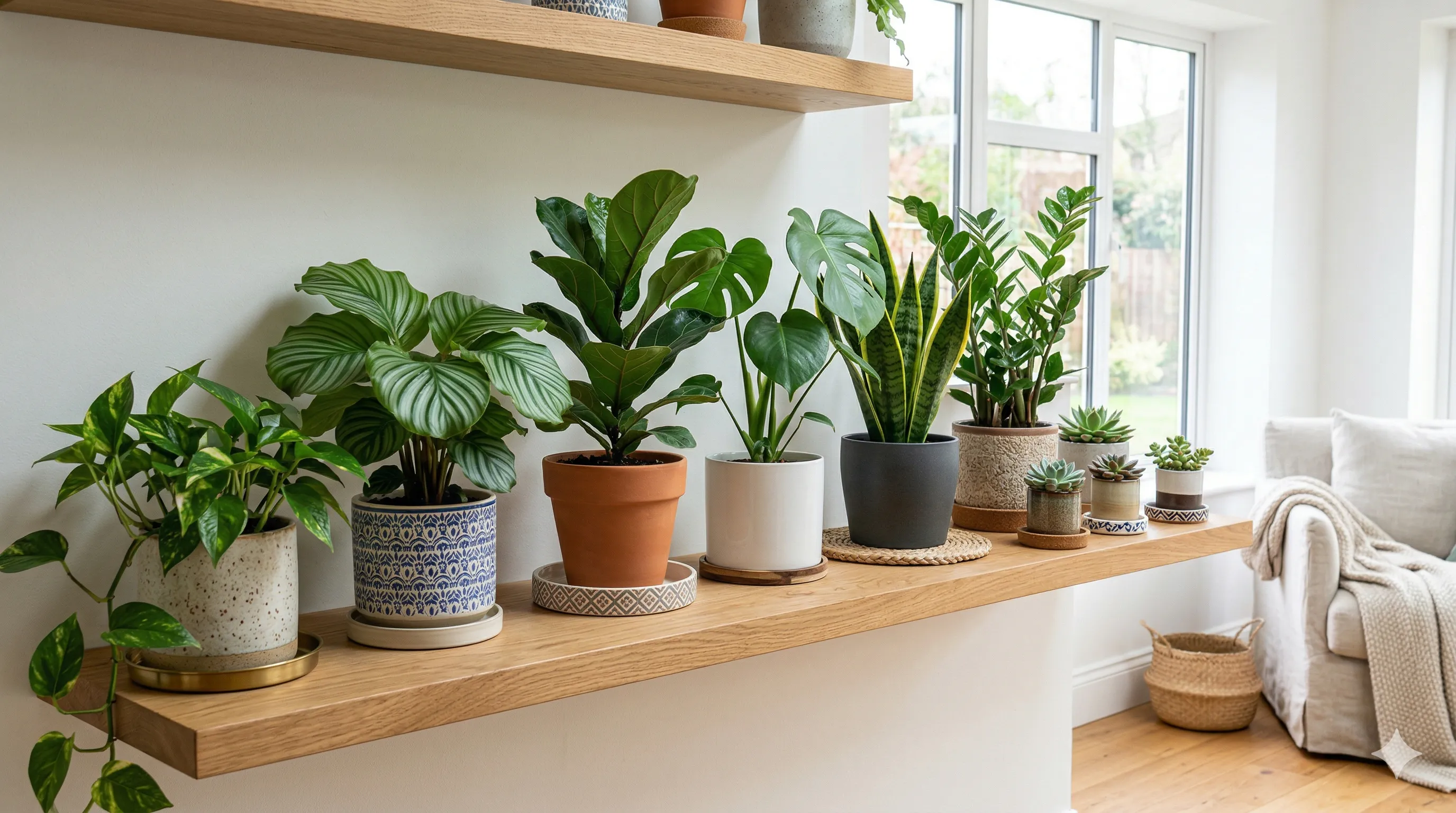
You just brought home a gorgeous new monstera. You placed it on your bookshelf, watered it lovingly, and walked away feeling like a responsible plant parent. Two weeks later, there's a puddle staining your wood shelf and the lower leaves are turning yellow. The culprit? Poor drainage.
Drainage is one of those unglamorous aspects of plant care that doesn't get the attention it deserves. Everyone wants to talk about the perfect watering schedule or the ideal light conditions, but without a solid drainage setup, even the most diligent care routine will eventually fail your plants.
Why Drainage Matters More Than You Think
Every time you water a potted plant, the goal is to saturate the soil evenly so the entire root system gets hydrated. The excess water needs somewhere to go. In nature, gravity pulls it deeper into the ground where it dissipates. In a pot on your windowsill, it pools at the bottom and sits against the roots.
When roots sit in standing water for extended periods, they lose access to oxygen. Without oxygen, the roots begin to break down, making them vulnerable to fungal pathogens that cause root rot. It happens faster than most people expect. Some tropical plants can show symptoms of root rot within just a week of sitting in waterlogged soil.
The solution is straightforward: every pot needs drainage holes, and every pot with drainage holes needs something underneath it to catch the runoff. The question is what that something should be.
The Common Drainage Solutions (and Their Problems)
Basic Saucers
The most common approach is a simple saucer placed under the pot. Ceramic, plastic, or terracotta saucers are cheap and widely available. They do the bare minimum: catching water so it doesn't ruin your furniture. But they come with a significant drawback. The pot sits directly in the collected water, which means the soil at the bottom of the pot stays saturated through capillary action. You're essentially recreating the very problem you were trying to solve.
To make saucers work, you need to empty them 20 to 30 minutes after watering. That means walking around your home with a turkey baster or carefully lifting heavy pots to dump out the excess. It's tedious, and most people eventually stop doing it consistently.
Cache Pots (Pots Without Holes)
Cache pots are decorative outer pots that hold a smaller nursery pot inside. They look great, but they create a hidden swamp at the bottom that's easy to forget about. Since you can't see the water level, overwatering becomes almost invisible until the damage is done. You also need to remember to pull the inner pot out after watering to drain it, which is just as inconvenient as emptying saucers.
The Gravel-in-the-Bottom Myth
One of the most persistent myths in indoor gardening is that putting gravel or rocks at the bottom of a pot improves drainage. Research has consistently shown this actually makes things worse. It creates a perched water table, a zone of saturated soil that sits right above the gravel layer. The water doesn't drain through the gravel faster; it accumulates at the soil-gravel boundary. You end up with the same waterlogging problem, just higher up in the pot.
Pro Tip: Skip the gravel layer entirely. Instead, use a well-draining potting mix with perlite, pumice, or bark mixed in. This improves drainage throughout the entire root zone, not just the bottom.
How Raised Trays Solve the Problem
The most effective approach to indoor plant drainage is a raised tray system. The concept is simple but makes a meaningful difference: instead of the pot sitting flat in collected water, it sits on raised ridges or a textured surface that lifts it above the water line. The excess water drains out of the pot, collects in the tray below, and the air gap between the pot and the water prevents the soil from reabsorbing moisture through the drainage holes.
This approach gives you the best of all worlds. Your furniture stays protected, your roots get proper drainage, and you don't need to rush around emptying saucers after every watering session. The collected water evaporates naturally over time, and as a bonus, that evaporation creates a small humidity boost around the plant.
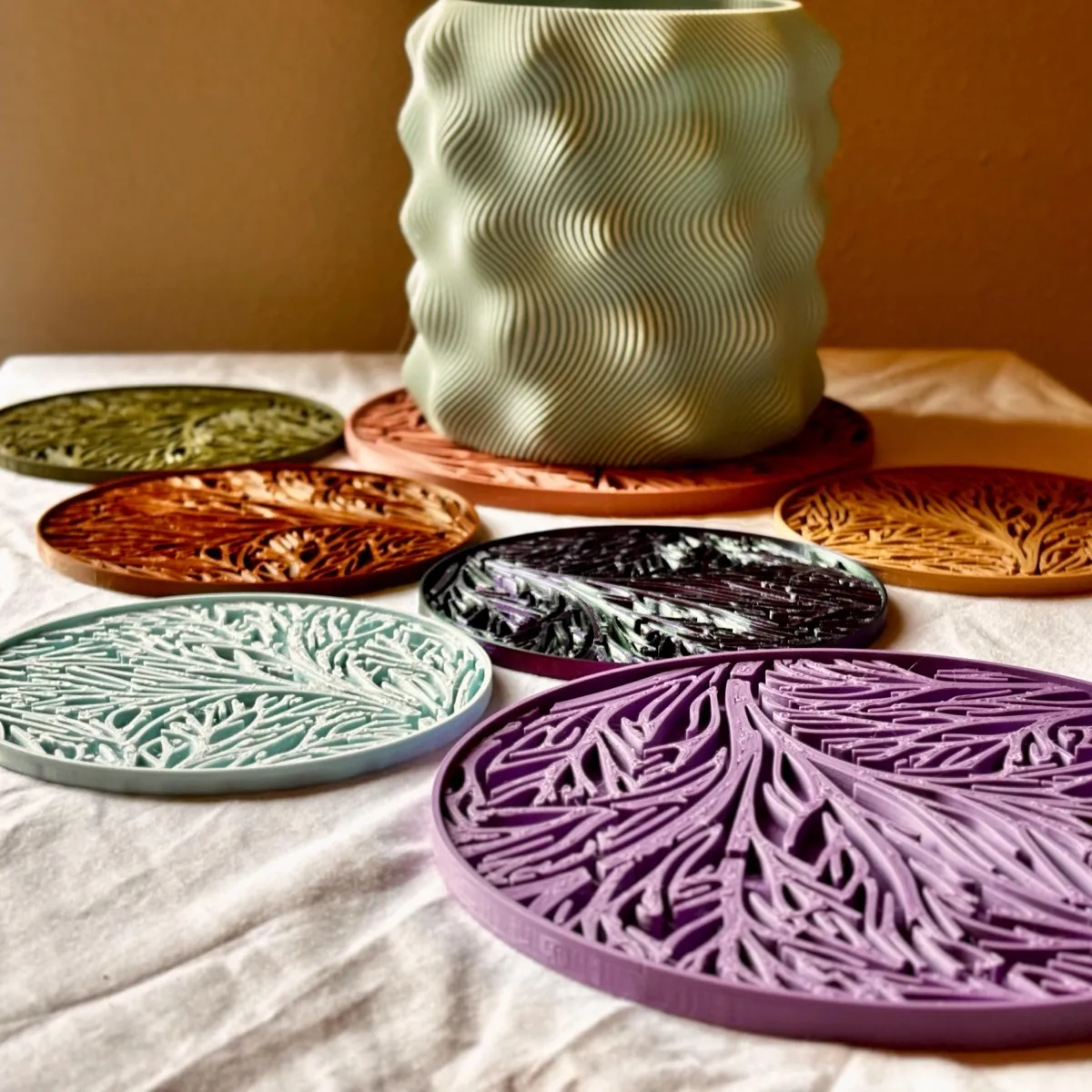
Leaf Vein Tray
A nature-inspired raised tray with an organic leaf vein pattern. The textured surface lifts your pot above collected water, preventing root rot while adding a sculptural touch to your setup.
Choosing the Right Drainage Tray Size
Selecting the right tray size matters more than people realize. Too small, and the water overflows onto your surface. Too large, and it looks awkward and takes up unnecessary space. Here's a practical sizing guide:
- For 4-inch pots: Choose a tray that's at least 5 inches in diameter to catch all runoff with some margin.
- For 6-inch pots: A 7 to 8-inch tray works well and provides room for a thorough watering.
- For 8-inch pots and larger: Go at least 2 inches wider than the pot base, and look for trays with higher walls to handle the greater water volume.
- For plant groupings: A single large tray under multiple pots is more practical and looks cleaner than individual saucers.
When grouping plants together on a shared tray, you also create a microclimate effect. The combined evaporation from all the trays raises the local humidity, which is particularly beneficial for tropical plants that thrive in humid conditions.
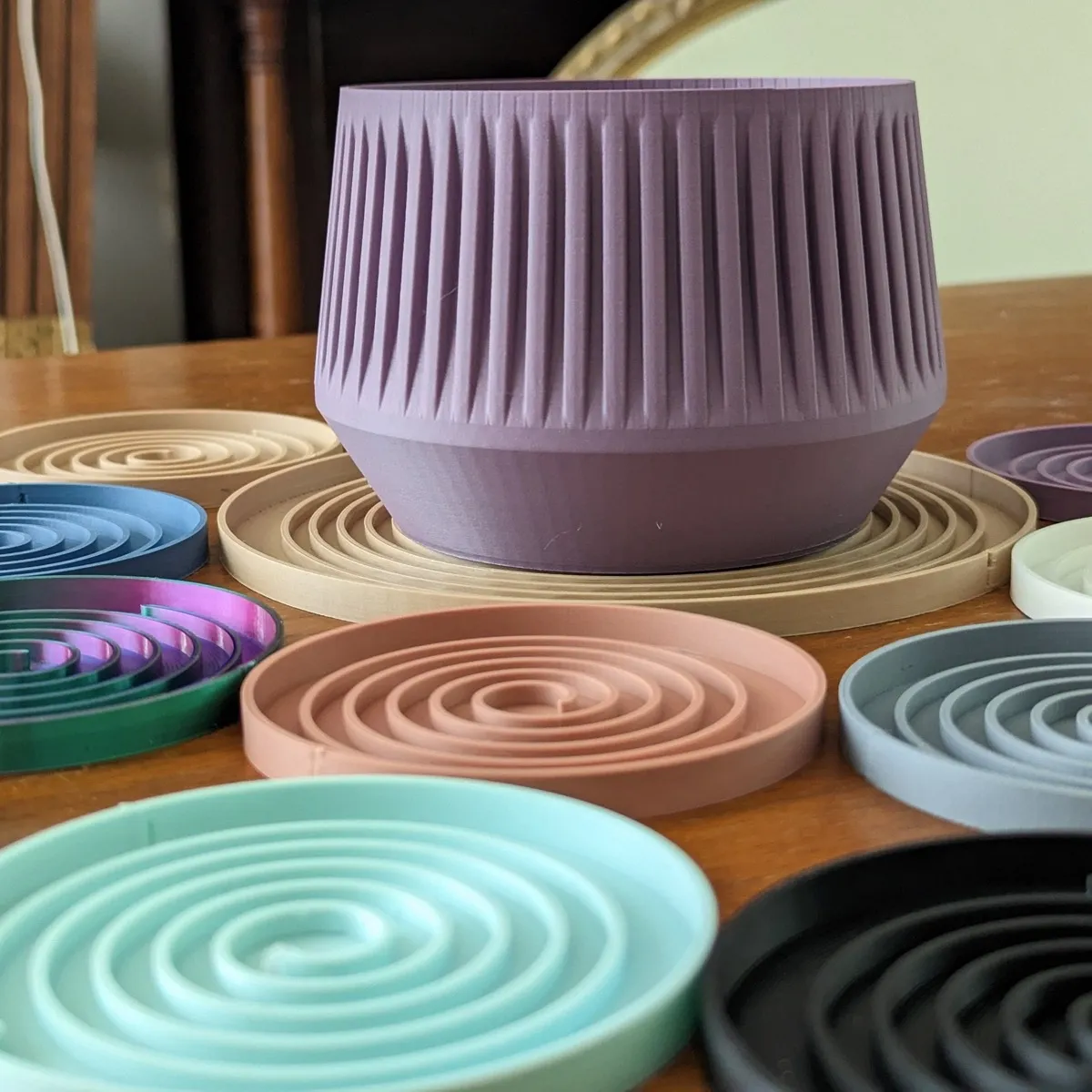
Spiral Tray
A geometric raised tray featuring a mesmerizing spiral pattern. The ridged surface keeps your pot elevated above drainage water while serving as a striking design piece on any shelf or table.
DIY Solutions vs. Purpose-Built Trays
Can you rig up your own drainage solution? Absolutely. Some people use pebble trays made from baking sheets filled with river rocks. Others cut small pieces of plastic grid to place inside saucers as risers. These approaches work to varying degrees, but they come with trade-offs.
DIY pebble trays are bulky, hard to clean, and often look out of place in a styled living space. Makeshift risers can shift when you move pots, and they rarely provide enough elevation to fully separate the pot from collected water. Over time, algae and mineral deposits build up on DIY setups and become a maintenance project of their own.
Purpose-built drainage trays are designed to handle these issues from the start. The ridges are engineered to the right height, the basins are shaped to contain the right amount of water, and the materials are chosen to resist moisture and mineral buildup. They also tend to look intentional rather than improvised, which matters when your plant collection is part of your home's decor.
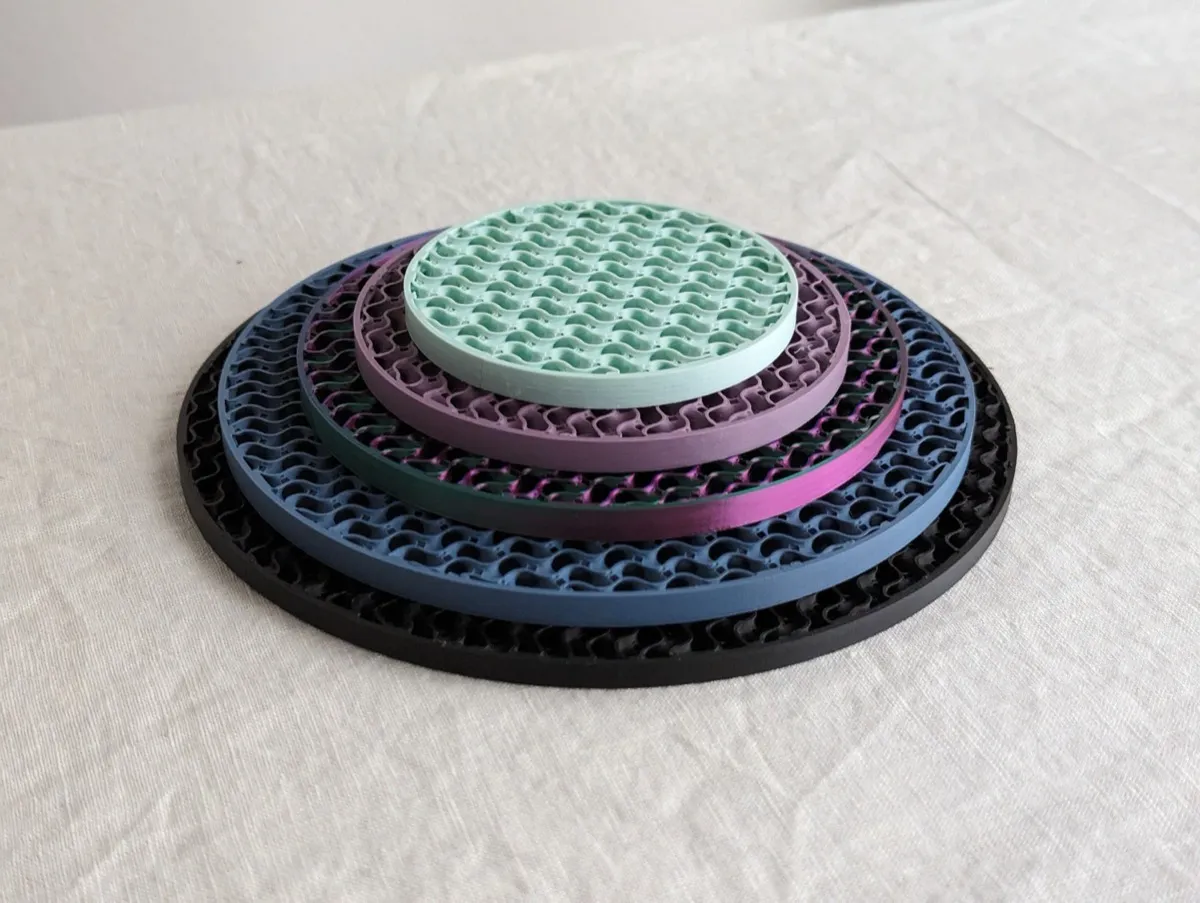
Humidifier Tray
Designed to double as a humidity booster, this tray catches excess water and lets it evaporate around your plant. The raised platform keeps roots dry while creating a beneficial microclimate.
Putting It All Together: A Complete Drainage Strategy
Good drainage isn't about any single product or technique. It's about building a system where every layer works together. Start with a pot that has adequate drainage holes. Use a well-draining soil mix appropriate for your plant type. Place the pot on a raised tray that separates it from collected water. And water thoroughly but infrequently, allowing the soil to dry out appropriately between sessions.
Quick Check: Stick your finger an inch into the soil before watering. If it still feels moist, wait another day or two. Overwatering is the number one killer of indoor plants, and good drainage is your safety net when you accidentally pour a little too much.
With the right drainage setup, you'll spend less time worrying about root rot and water damage, and more time enjoying the part of plant parenthood that actually matters: watching your plants grow.
Protect Your Plants (and Your Furniture)
The Leaf Vein Tray keeps your pots elevated above collected water with a nature-inspired raised design. Available in multiple sizes to fit your collection.
Shop the Leaf Vein Tray