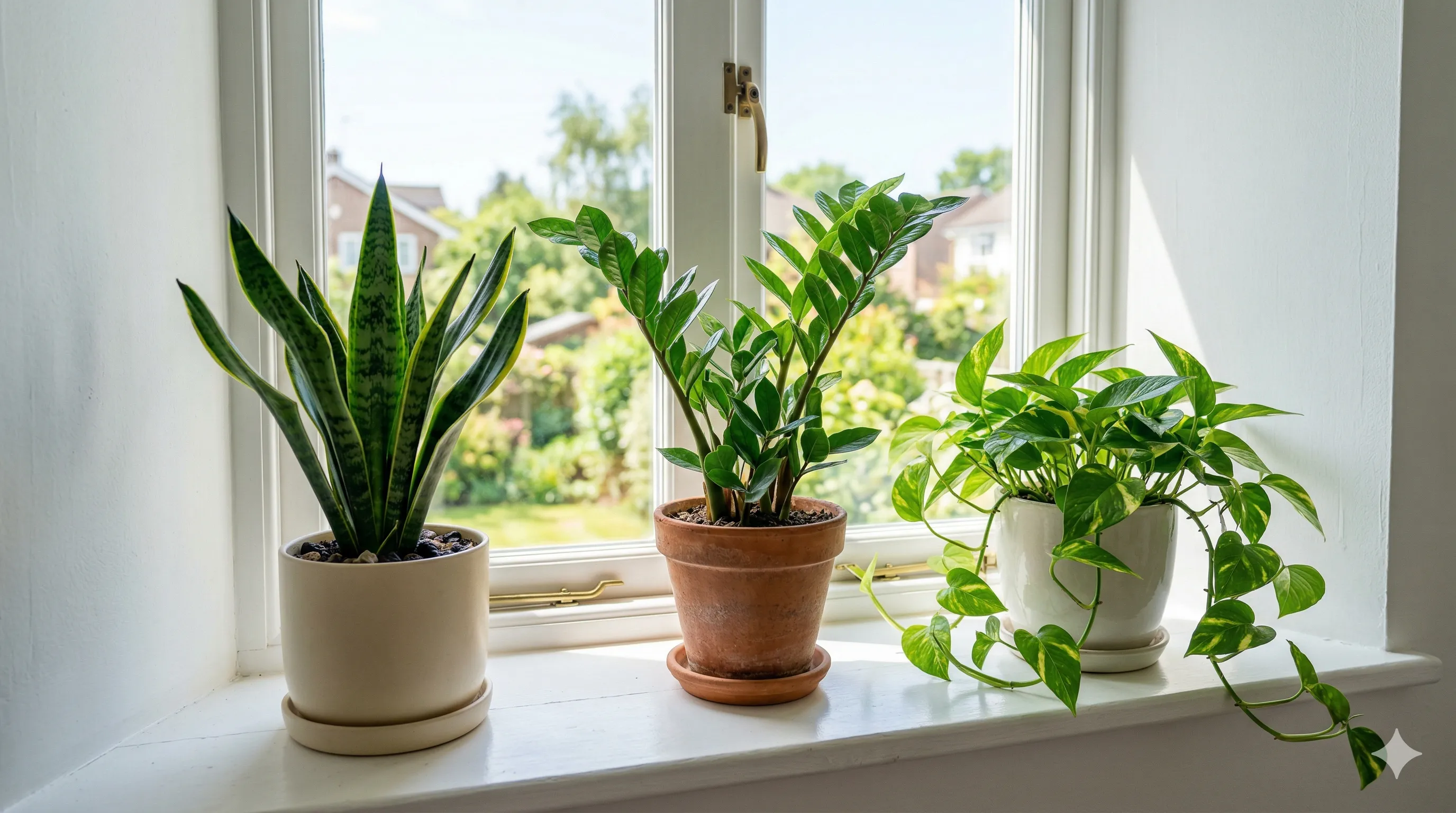
There's a persistent myth that some people just don't have a green thumb. That certain individuals are genetically destined to kill every plant they touch. The reality is much simpler: most plant failures come down to picking the wrong plant for the wrong conditions and then caring for it incorrectly. Start with a forgiving species, give it the basics, and you'll be surprised how quickly you feel like a competent plant parent.
These five houseplants have earned their reputation as the hardest to kill. Each one tolerates a wide range of conditions, bounces back from neglect, and gives you visible results that build your confidence for eventually tackling more demanding species.
1. Pothos (Epipremnum aureum)
If there's a single plant that has converted more self-described black thumbs into plant enthusiasts, it's the pothos. This trailing vine grows in almost any indoor condition you can throw at it. Low light? It slows down but keeps going. Bright indirect light? It takes off. You forgot to water it for two weeks? It droops dramatically to remind you, then perks right back up within hours of a good drink.
Pothos is native to the forest understory of French Polynesia, which explains its shade tolerance. The most common variety, golden pothos, has heart-shaped green leaves with yellow variegation. But there are dozens of cultivars now available, including marble queen with white-and-green marbling, neon pothos in vivid chartreuse, and cebu blue with silvery blue-green foliage.
- Light: Low to bright indirect. Avoid direct sun, which scorches the leaves.
- Water: When the top inch of soil is dry. Every 7 to 14 days depending on conditions.
- Why it's hard to kill: Stores water in its thick stems, tolerates inconsistent care, and grows from cuttings in plain water.
Styling Tip: Let pothos trail from a high shelf or hang it in a macrame planter. The vines can grow several feet long, creating a lush cascading effect. When a vine gets too leggy, snip it and stick the cutting in water to root a new plant.
2. Snake Plant (Sansevieria trifasciata)
The snake plant is the ultimate set-it-and-forget-it houseplant. Its stiff, upright leaves grow slowly and require almost nothing from you. It handles low light, dry air, and long stretches without water with remarkable indifference. If pothos is the plant for people who forget to water sometimes, the snake plant is the one for people who forget they own plants entirely.
Snake plants are succulents native to West Africa. Their thick, fleshy leaves store water internally, which is why they can go weeks between waterings without showing stress. Overwatering is actually the main way people manage to kill them. Their root systems are shallow and rot quickly in soggy soil, so a well-draining mix and a pot with drainage are non-negotiable.
- Light: Tolerates low light to bright indirect. Even handles some direct sun.
- Water: Every 2 to 4 weeks. Let the soil dry out completely between waterings.
- Why it's hard to kill: Drought-tolerant, pest-resistant, and unbothered by dry indoor air from heating and air conditioning.
Because snake plants are so sensitive to overwatering, proper drainage is especially critical. A raised drainage tray ensures that water flows freely out of the pot and doesn't wick back up into the soil, which is the most common cause of snake plant root rot in indoor settings.
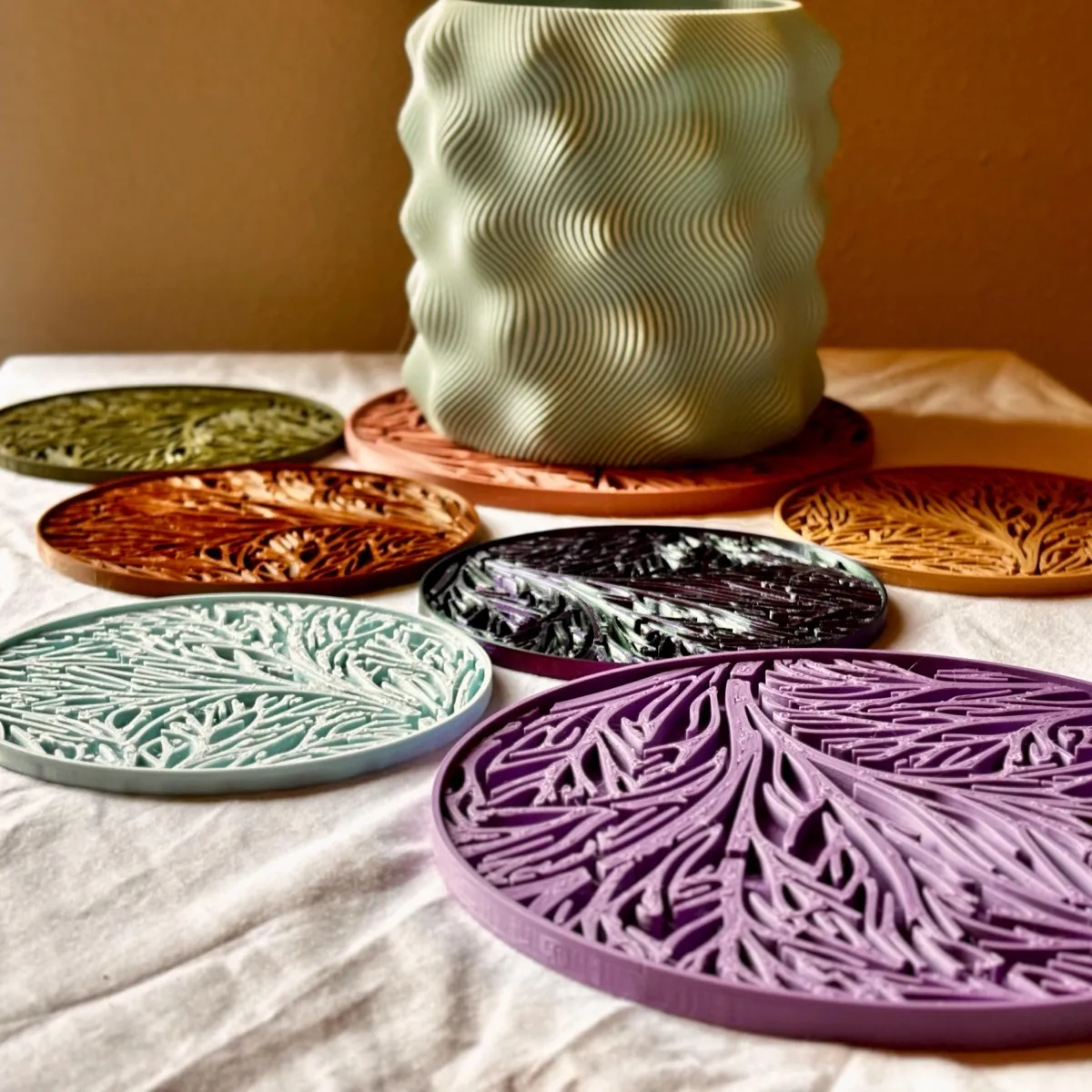
Leaf Vein Tray
A nature-inspired raised tray that keeps pots elevated above collected water. Especially important for drought-tolerant plants like snake plants that are prone to root rot from sitting in moisture.
3. ZZ Plant (Zamioculcas zamiifolia)
The ZZ plant looks like it should be difficult to grow. Its glossy, dark green leaflets arranged along arching stems give it a polished, almost artificial appearance. But behind that sophisticated look is one of the toughest houseplants in existence. ZZ plants grow from thick rhizomes underground that store water and nutrients, making them exceptionally drought-tolerant.
Native to eastern Africa, ZZ plants evolved in conditions with irregular rainfall, which is why they handle neglect so well. They grow slowly but steadily, putting out new shoots from the base that unfurl into full, arching stems over a few weeks. The new growth often emerges a bright lime green before darkening to the characteristic deep glossy green.
- Light: Low to bright indirect. One of the few plants that genuinely thrives in dim corners.
- Water: Every 2 to 3 weeks. Err on the side of underwatering.
- Why it's hard to kill: Rhizome root system stores water for extended periods, handles low light without getting leggy, and is virtually pest-free.
ZZ plants pair beautifully with a bold, architectural planter that matches their structured form. A planter with strong geometric lines or organic flowing shapes provides visual contrast against the ZZ's orderly leaf arrangement.
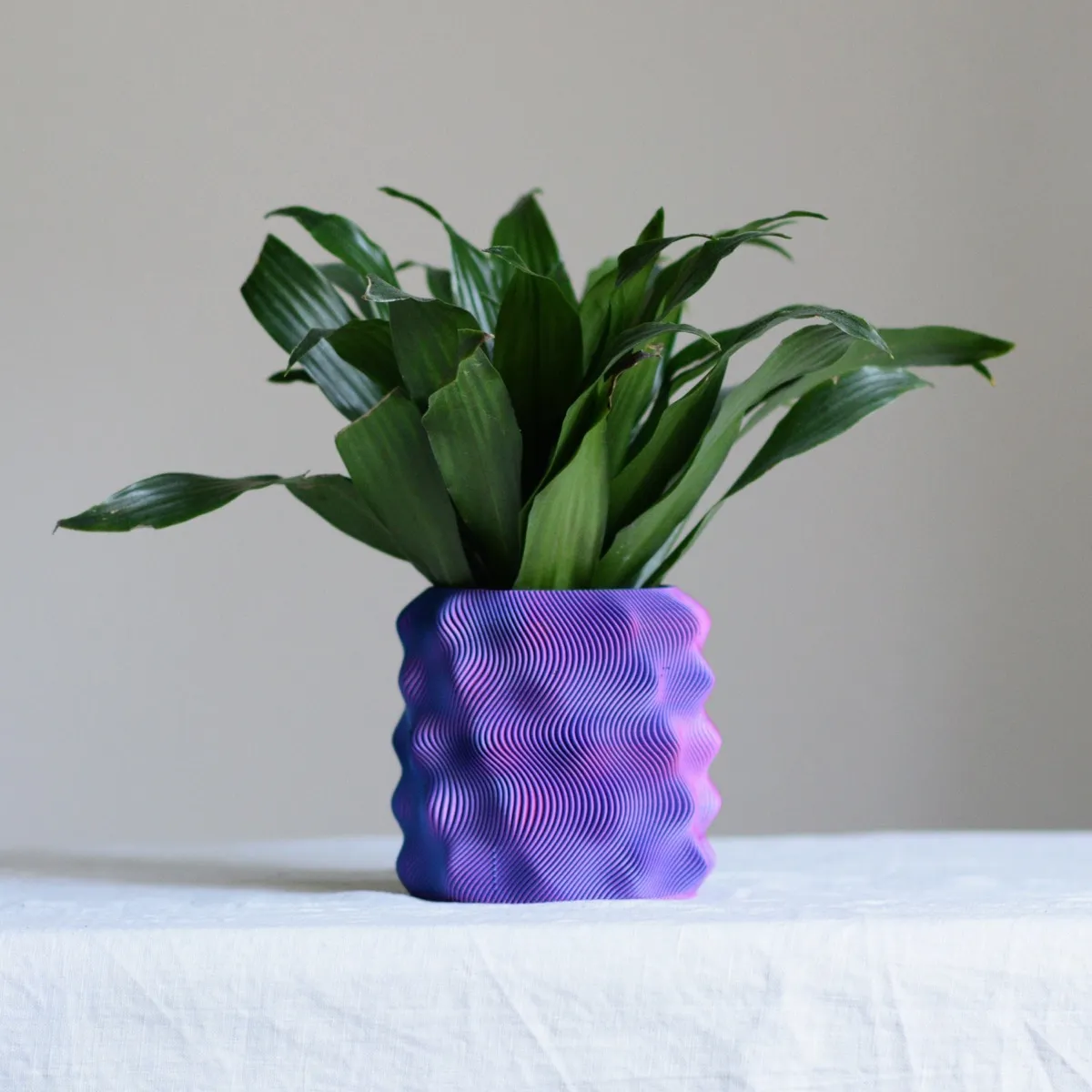
Fire Planter
The flowing, flame-inspired form creates a striking contrast with the ZZ plant's structured, upright leaves. A statement pairing that turns a simple plant into a design moment.
4. Spider Plant (Chlorophytum comosum)
Spider plants have been popular houseplants since the Victorian era, and there's a good reason they've endured for over a century. They're fast growers that produce cascading baby plants (called pups or spiderettes) on long runners, making them one of the most rewarding beginner plants to watch develop. Within a few months, a single spider plant can produce a dozen pups that you can snip off and share with friends or pot up to grow your collection.
Spider plants are native to southern and tropical Africa. They develop thick, tuberous roots that store water, giving them decent drought tolerance. They prefer to be watered when the top half of the soil is dry and will let you know they're thirsty with slightly pale, curling leaves that bounce back immediately after watering.
- Light: Bright indirect light is ideal, but tolerates medium light. Avoid harsh direct afternoon sun.
- Water: When the top half of soil is dry. Every 7 to 10 days in most homes.
- Why it's hard to kill: Water-storing roots, rapid growth, visual cues when it needs attention, and produces babies effortlessly.
Brown Tips? Spider plants are sensitive to fluoride and chlorine in tap water, which causes brown leaf tips. If this bothers you, let tap water sit out overnight before using it, or use filtered water. The brown tips are purely cosmetic and don't harm the plant.
5. Rubber Plant (Ficus elastica)
If you want a beginner plant that grows into an impressive statement piece, the rubber plant is your pick. Given decent light and regular watering, a small rubber plant can grow into a tree-like specimen several feet tall within a few years. Its large, thick, glossy leaves in deep burgundy or dark green make it one of the most visually impactful houseplants you can own.
Rubber plants are members of the fig family, native to Southeast Asia where they grow into massive trees. Indoors, they stay manageable but still develop a strong central trunk with substantial presence in a room. The burgundy variety (Ficus elastica 'Burgundy') is particularly striking, with leaves so dark they appear nearly black in some lighting.
- Light: Medium to bright indirect. More light means faster growth and richer leaf color.
- Water: When the top 1 to 2 inches of soil are dry. Every 7 to 14 days depending on light and pot size.
- Why it's hard to kill: Thick, waxy leaves resist pests and retain moisture well. Tolerates lower light better than most Ficus species. Forgiving of occasional missed waterings.
Because rubber plants grow tall and develop substantial root systems, they benefit from higher humidity around their base, especially during dry winter months when indoor heating saps moisture from the air. A humidity tray underneath the pot creates a zone of evaporative moisture that keeps the lower leaves from drying out and dropping.
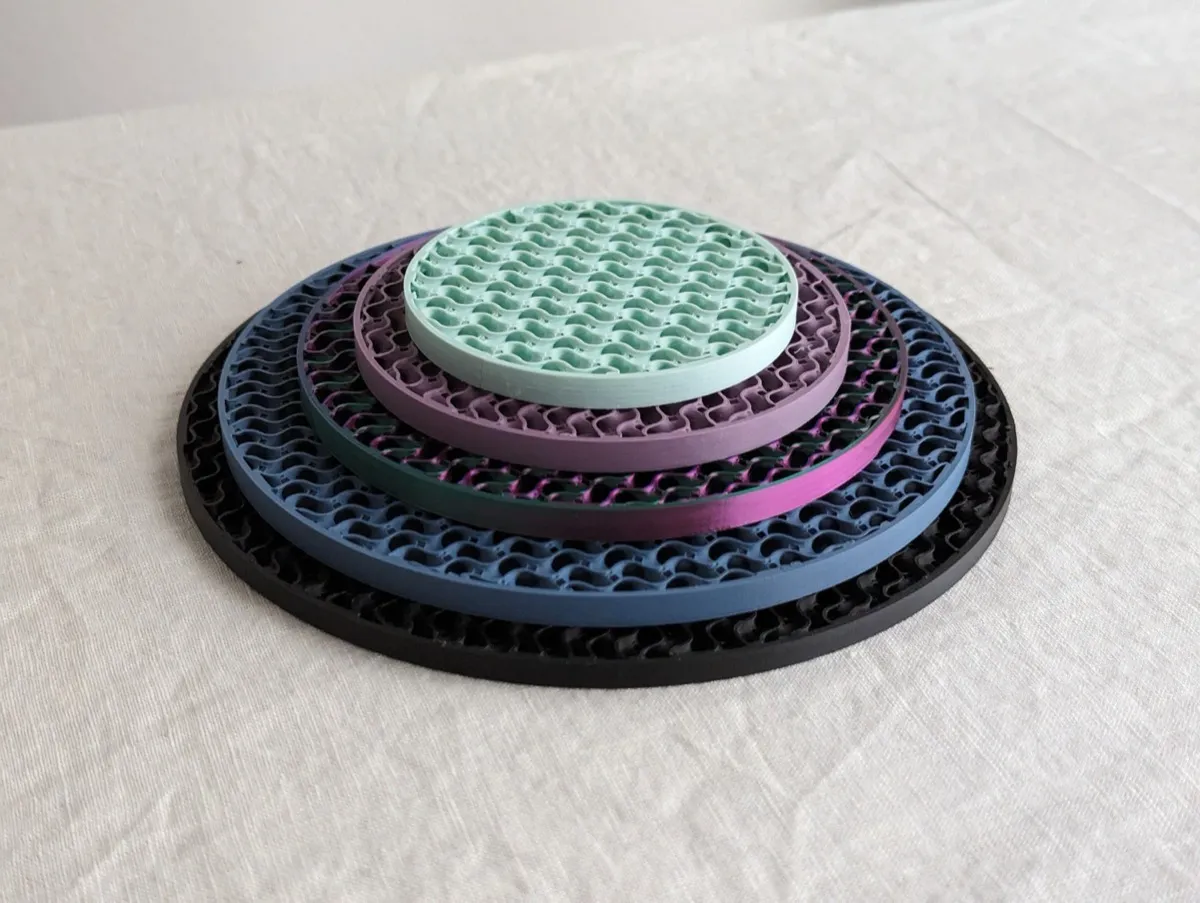
Humidifier Tray
Catches drainage water and lets it evaporate around your plant, creating a beneficial humidity boost. Perfect for rubber plants and other tropical species that appreciate extra moisture in the air.
Setting Yourself Up for Success
All five of these plants share a few key traits: they store water internally, they tolerate a range of light conditions, and they give you visible signals when something is off. That forgiveness is what makes them ideal starters. But even the toughest plant will struggle if the fundamentals are wrong. Here's a quick checklist:
- Always use pots with drainage holes. No exceptions. Decorative pots without holes should only be used as cache pots with a nursery pot inside.
- Use a well-draining potting mix. Standard potting soil mixed with perlite at a 2:1 ratio works for all five of these plants.
- Water thoroughly but infrequently. When you water, soak the soil until water runs out the drainage holes. Then wait until the soil has dried to the appropriate level before watering again.
- Place a drainage tray under every pot. This protects your surfaces and prevents the pot from sitting in collected water.
- Start with one or two plants. Build confidence before expanding your collection. There's no rush.
Every seasoned plant collector started somewhere, and most of them started with one of these five plants. They're not just beginner plants because they're easy. They're beginner plants because they teach you the rhythms of plant care without punishing your mistakes. Master these, and you'll have the instincts to take on anything.
Start Your Plant Journey Right
The Leaf Vein Tray protects your surfaces and keeps roots healthy with a nature-inspired raised design. The perfect companion for your first houseplant.
Shop the Leaf Vein Tray